Surfacing Encyclopedia & Buyer Guide Top Acrylic Sheet Brands in India:
SurajWood, Royale Touche, Advance & Merino
Choosing the right surfacing material is the most critical decision when planning modern modular kitchens, premium bedroom wardrobes, and high-end commercial interiors. This technical guide explores how factory-bonded PMMA acrylic sheets compare against traditional sunmica laminates, PVC foils, and PU paint.
✨
Optical-Grade PMMA Acrylic vs Sunmica
Unlike cheap PVC foils or standard paper-based sunmica laminates that scratch and discolor, SurajWood uses **optical-grade Polymethyl Methacrylate (PMMA)**. PMMA delivers a genuine mirror-like depth of color with 95% light reflectivity.
It is 100% UV-stable, ensuring your white kitchen shutters and wardrobe panels never turn yellow under sunlight or Indian cooking vapours over a 10-year lifespan.
⚙️
German PUR Hotmelt Lamination
A premium acrylic surface requires industrial-grade bonding. Standard carpenter workshop pasting relies on manual rubber adhesives or PVAc glue, leading to unsightly air bubbles, delamination, and wavy “orange peel” defects.
At our Bahadurgarh facility, SurajWood factory-presses acrylic sheets onto moisture-resistant E1 HDMR and calibrated plywood using **German Polyurethane Reactive (PUR) Hotmelt**, guaranteeing **zero delamination** and heat resistance up to 120°C.
💎
3H Scratch Resistance & Buff-Repairability
Indian modular kitchens endure heavy daily use, stainless steel cookware friction, and frequent cleaning. While standard laminates and PU paints chip irreversibly, SurajWood acrylic panels feature **3H pencil scratch hardness**.
Superficial hairline scratches can be easily buffed out using standard acrylic rubbing compound and a microfibre cloth, restoring the original high-gloss mirror finish effortlessly.
Applications: Acrylic Sheets for Kitchens & Wardrobes
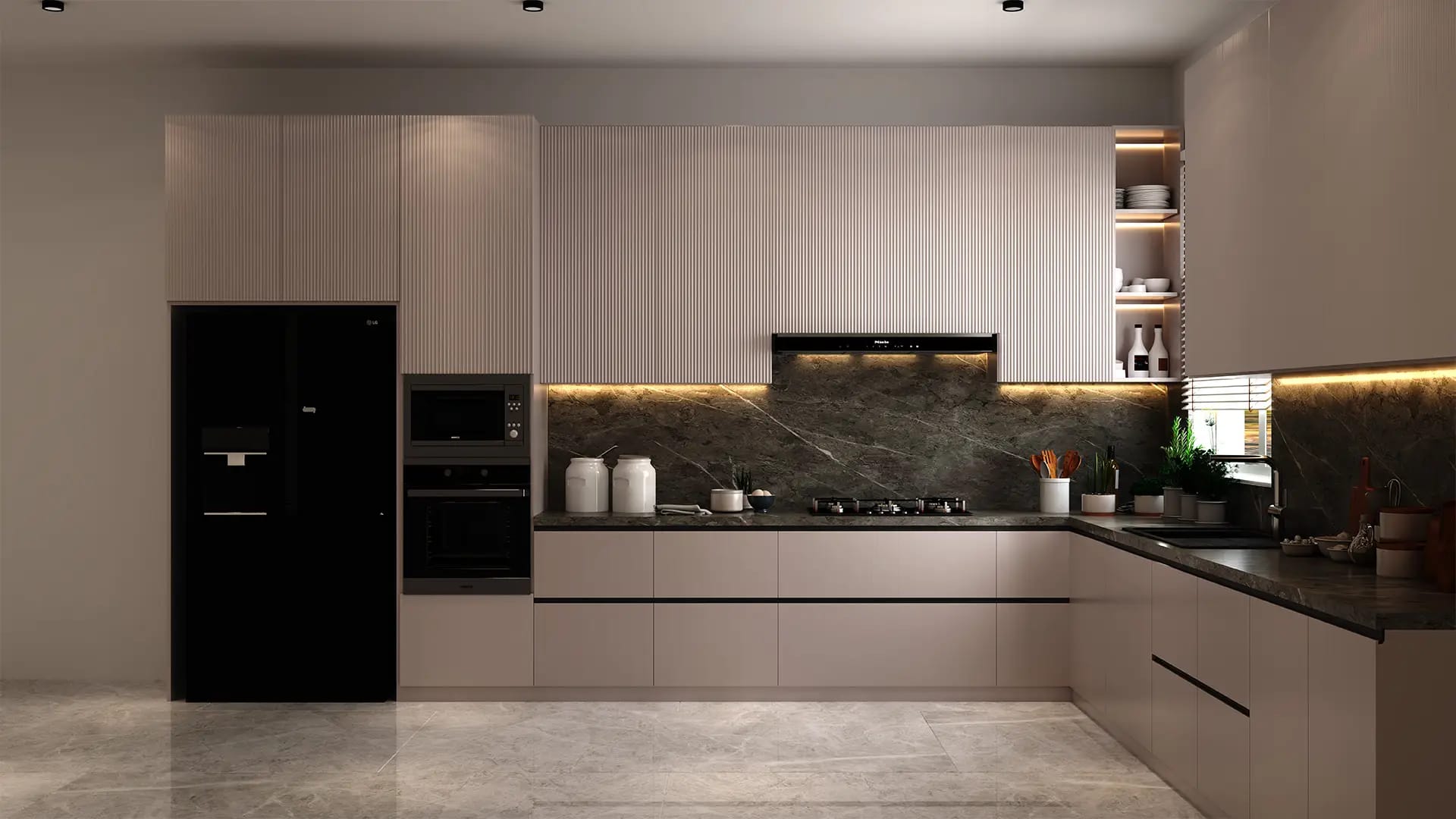
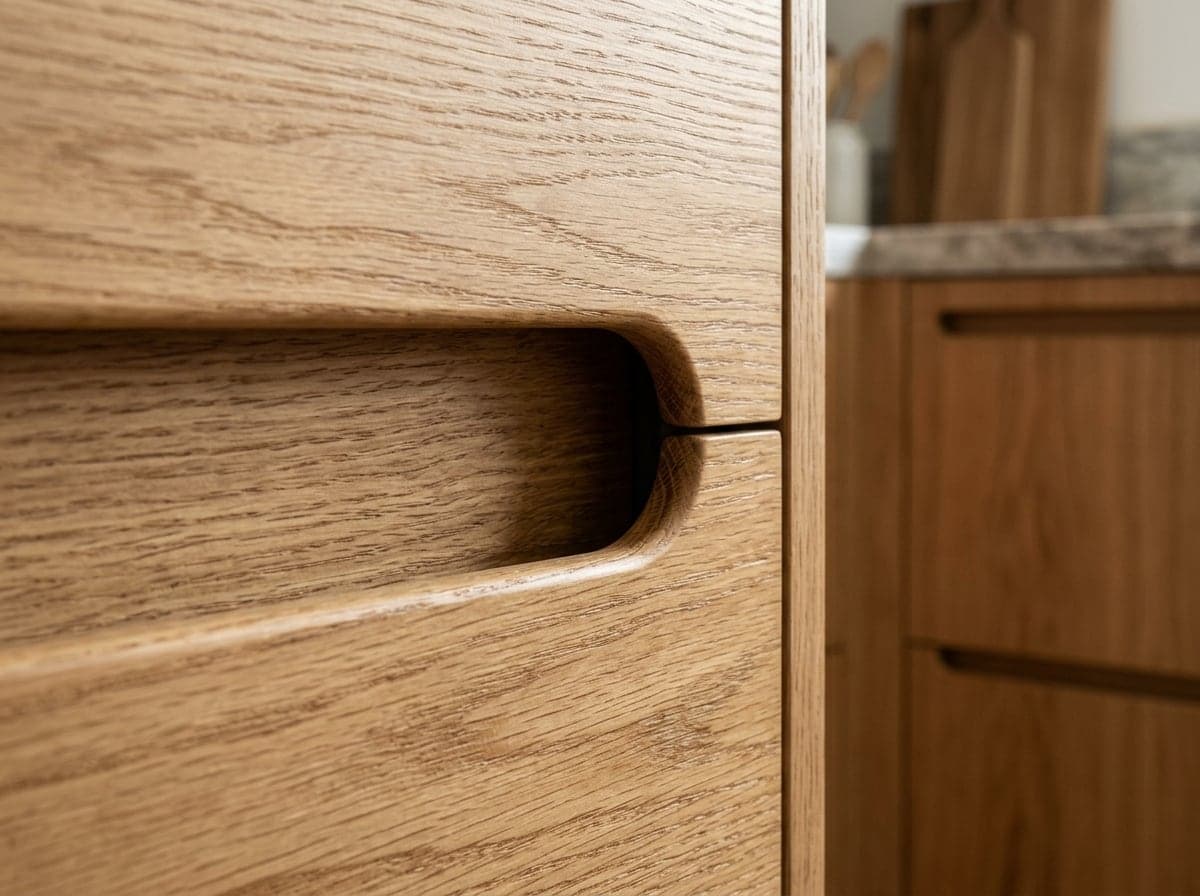
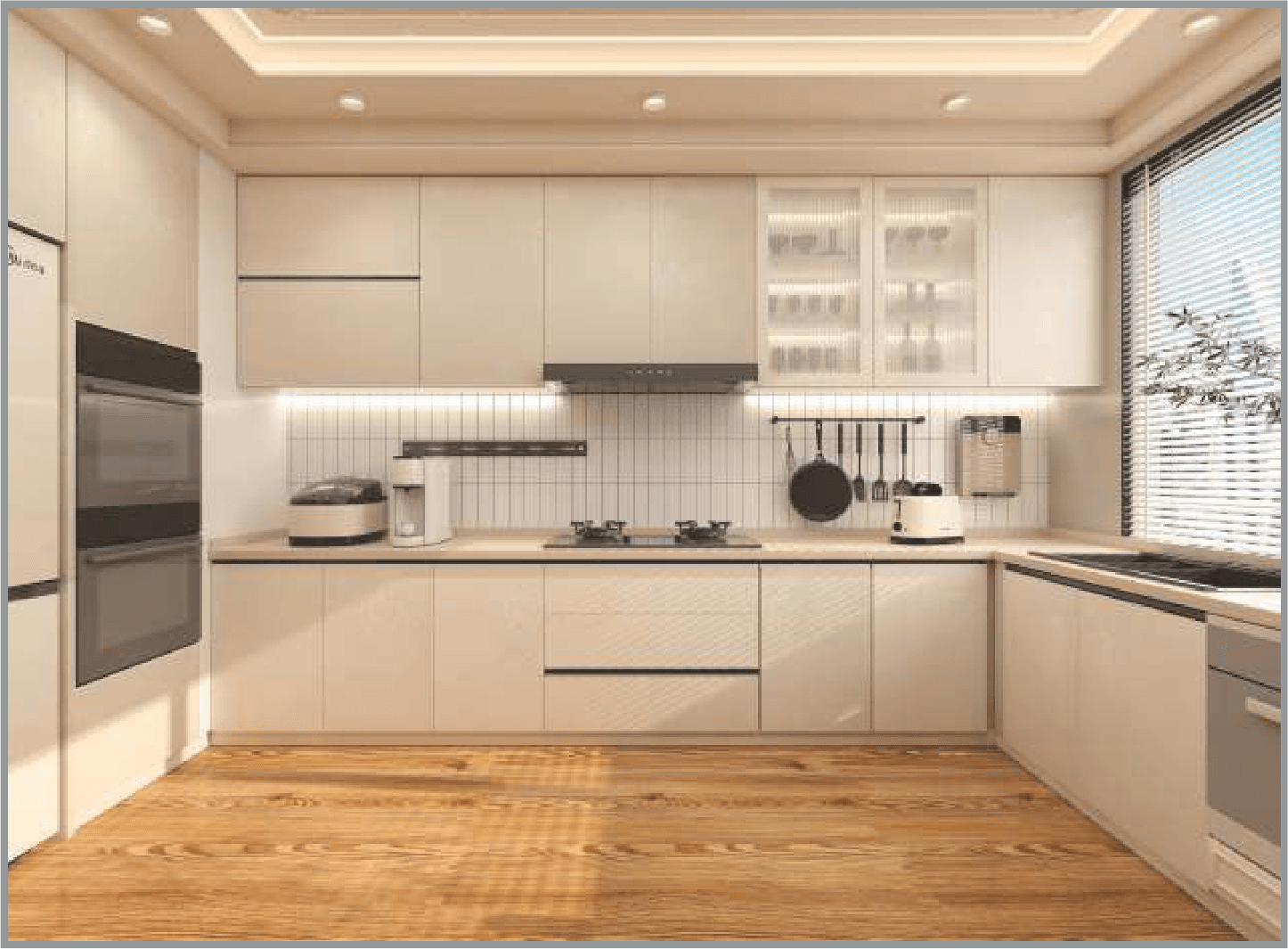
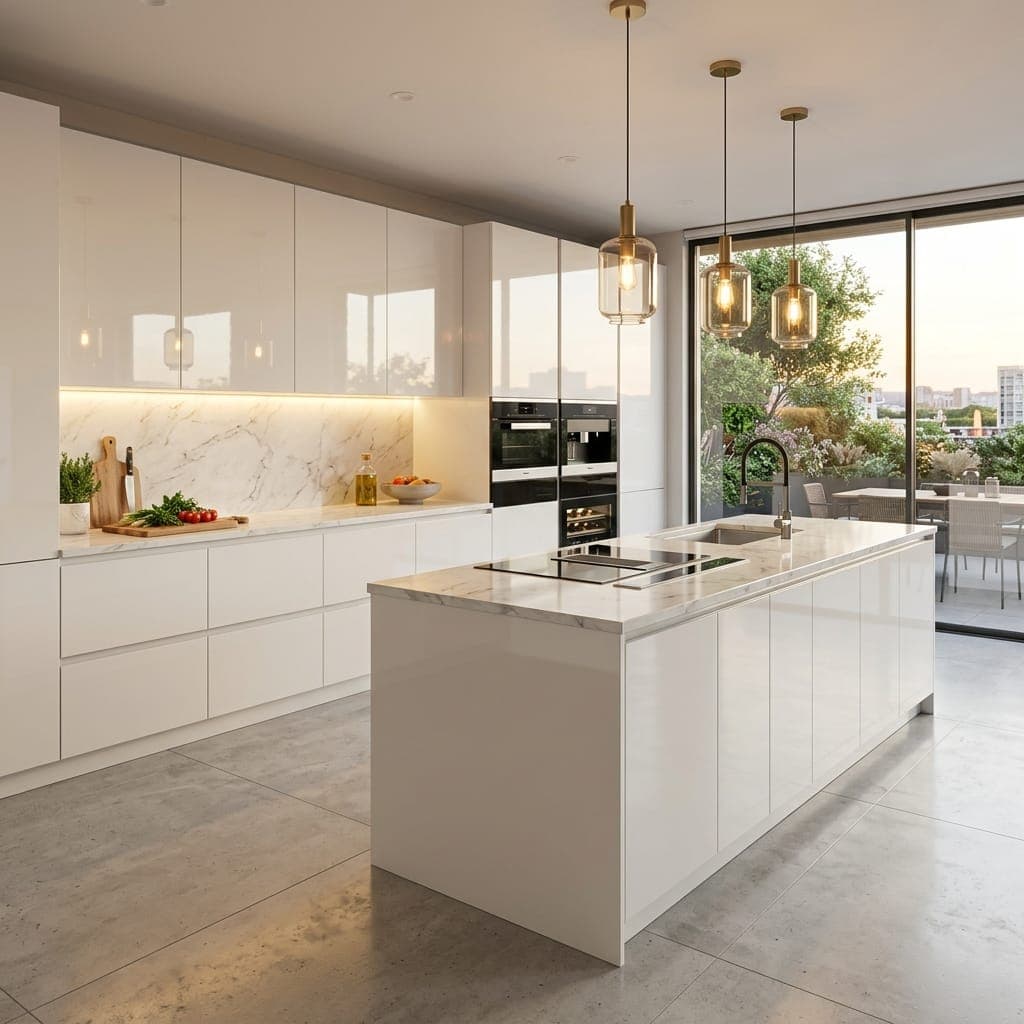
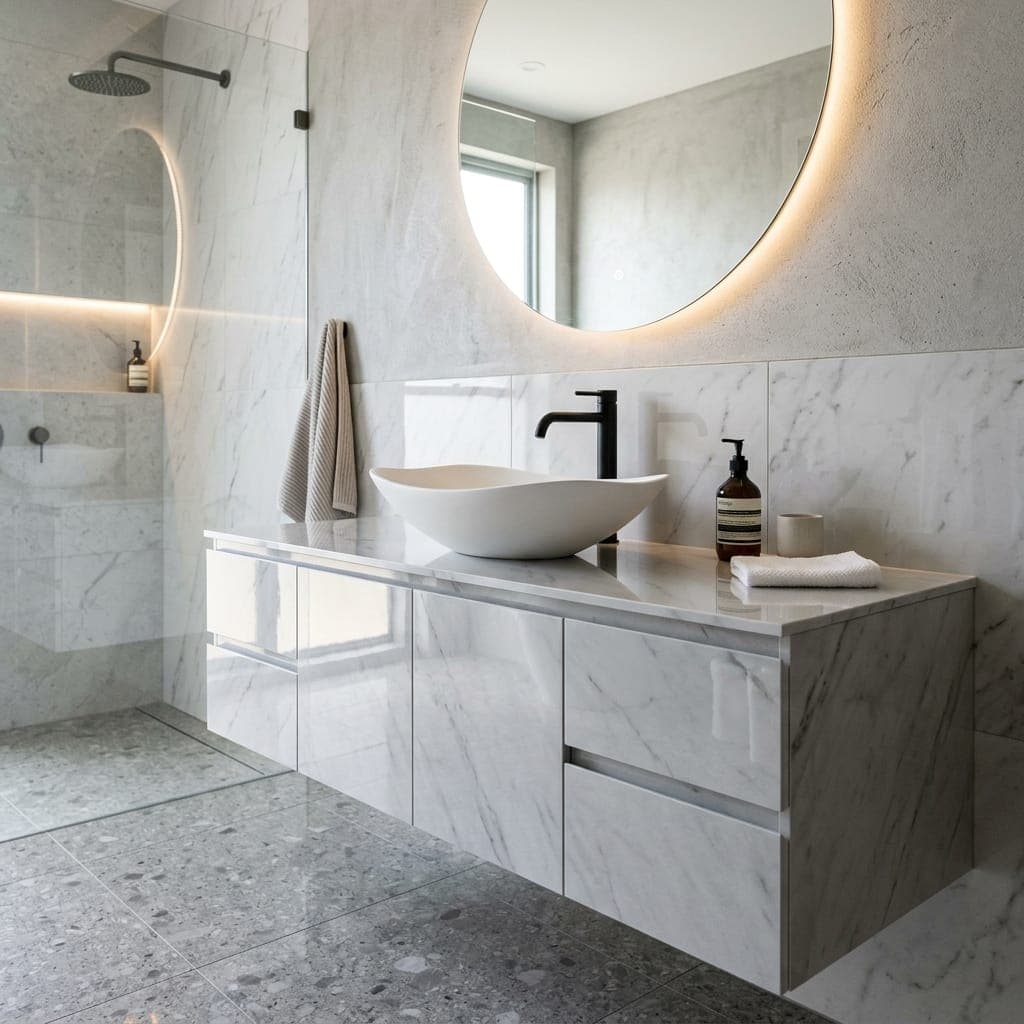
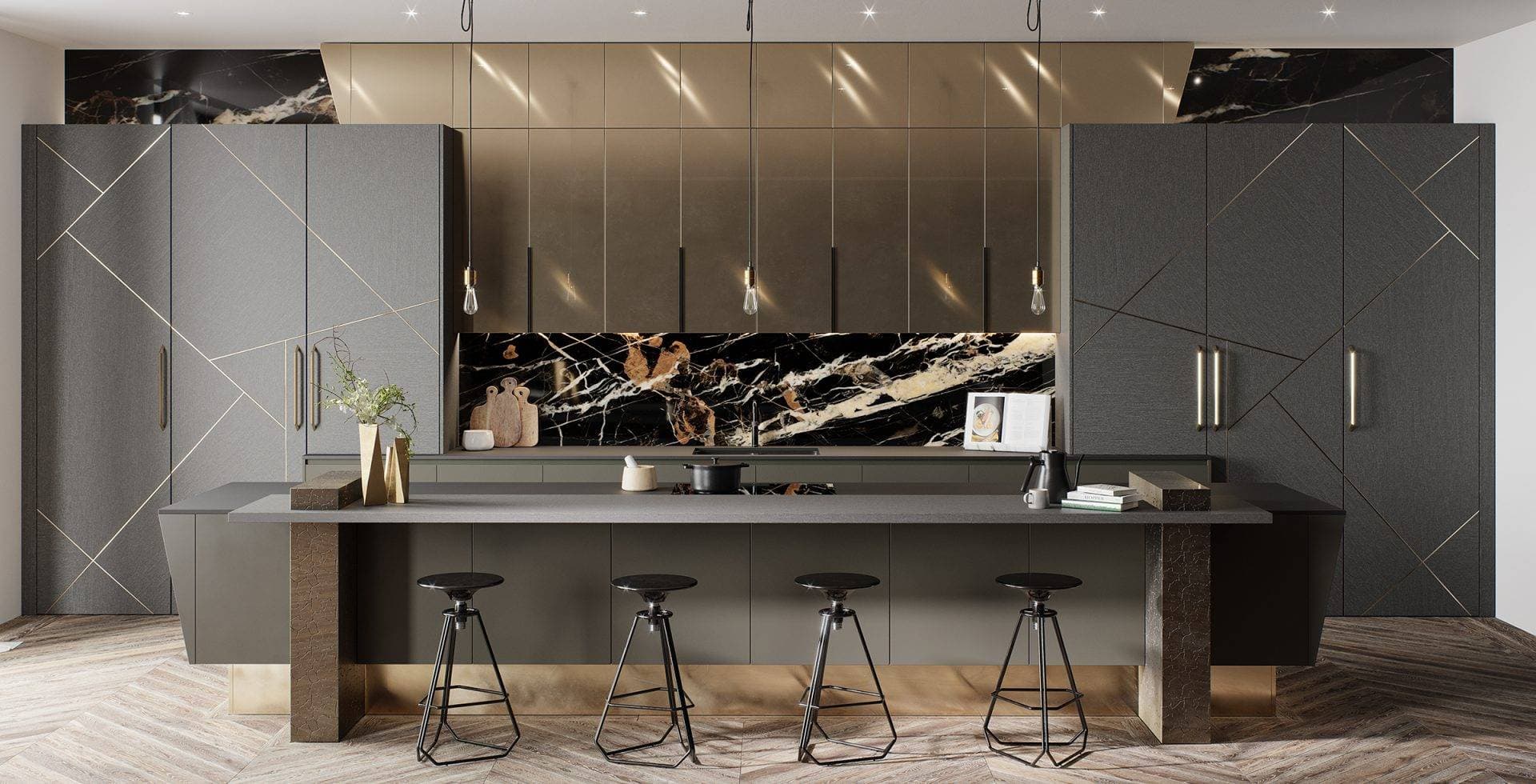
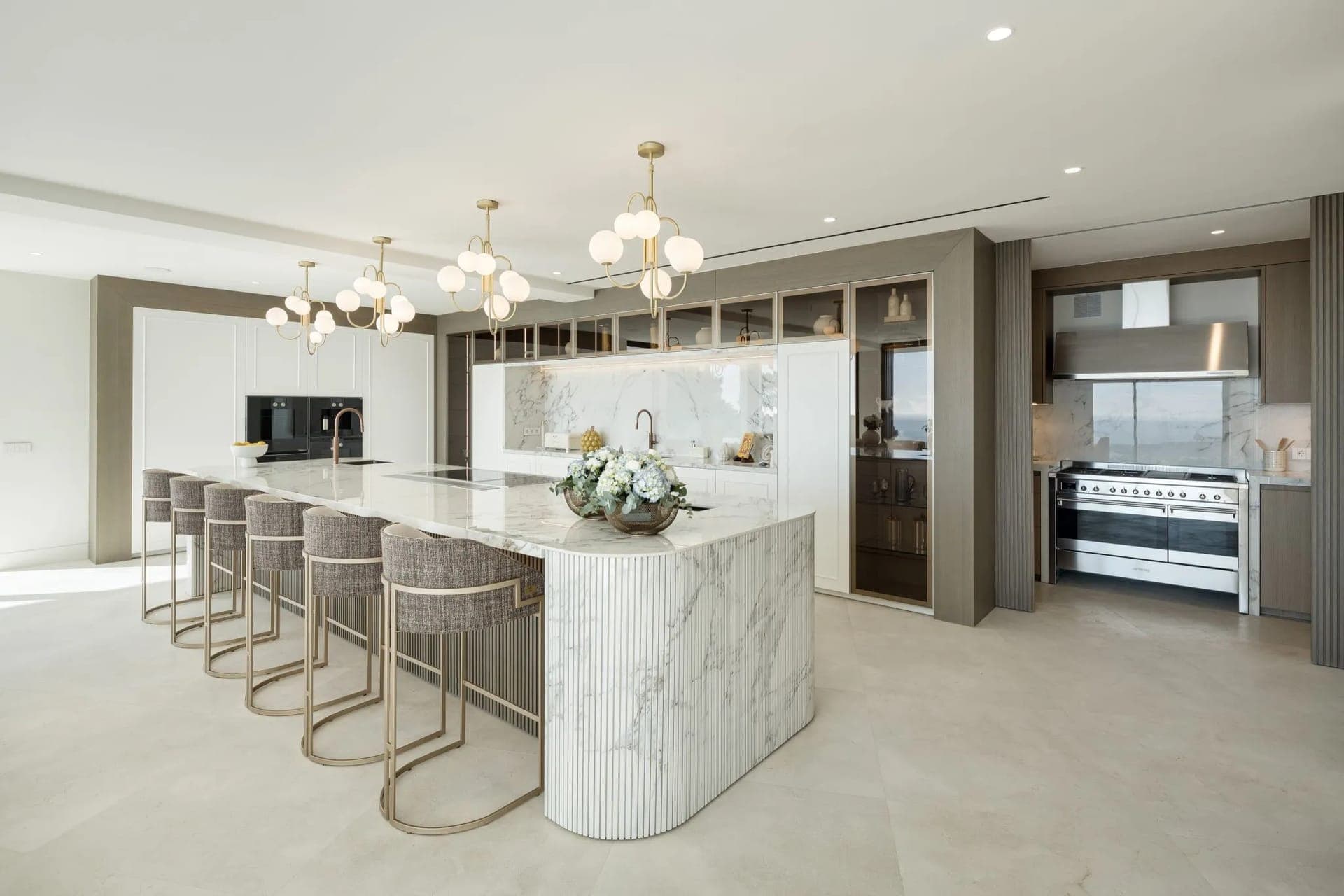
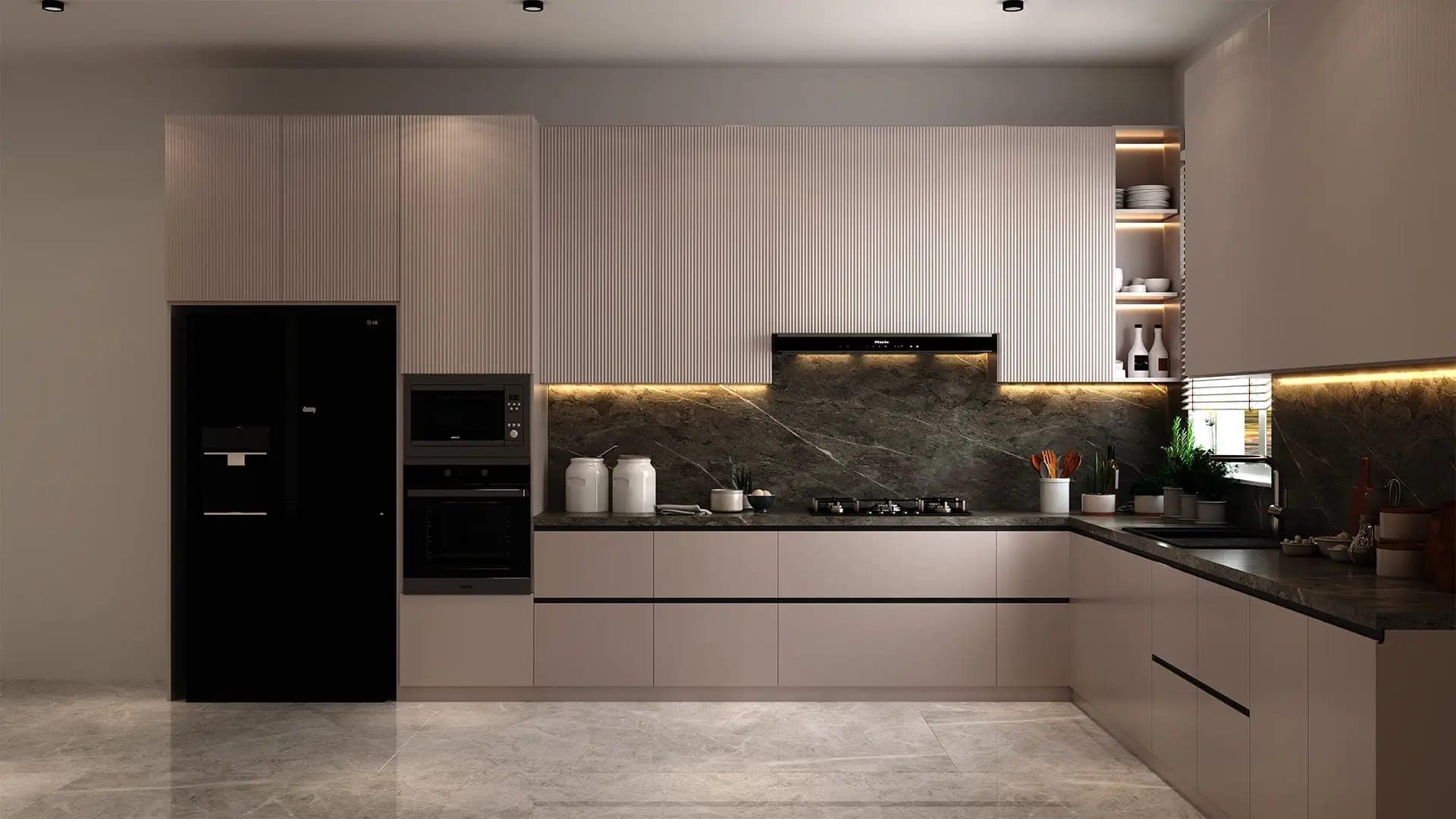
Surfacing choices define the longevity of home furniture. In modular kitchens, PMMA acrylic sheets are the industry benchmark for cabinet shutters and drawer fronts. Given steam from cooking and dishwashers, factory PUR-bonded boards prevent substrate wood from swelling or warping.
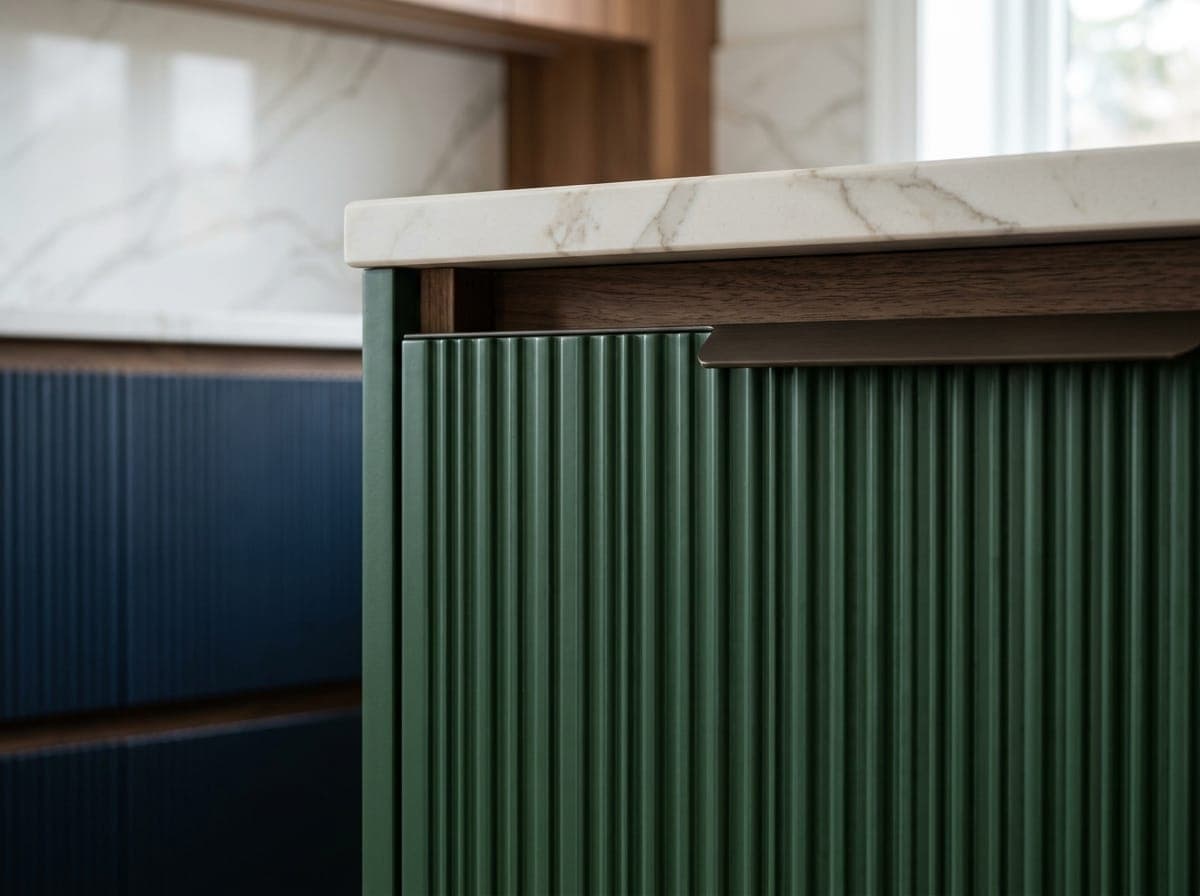
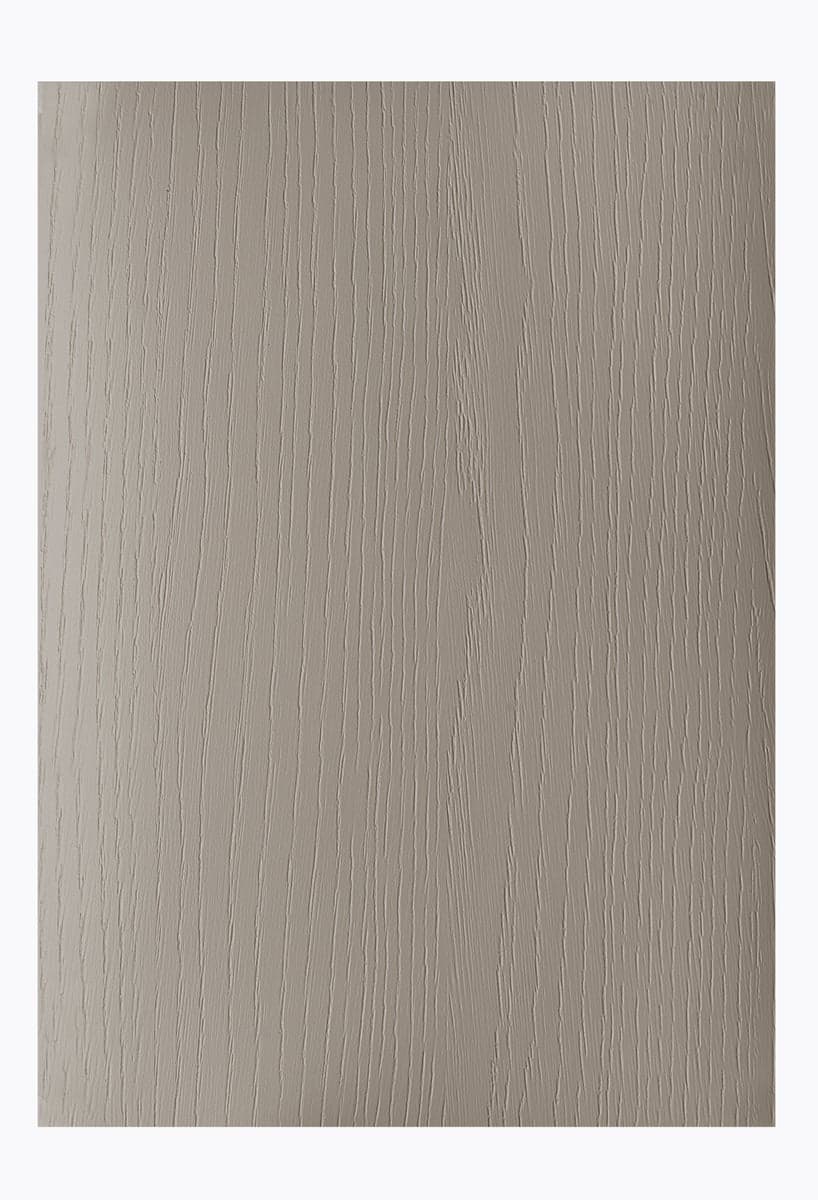
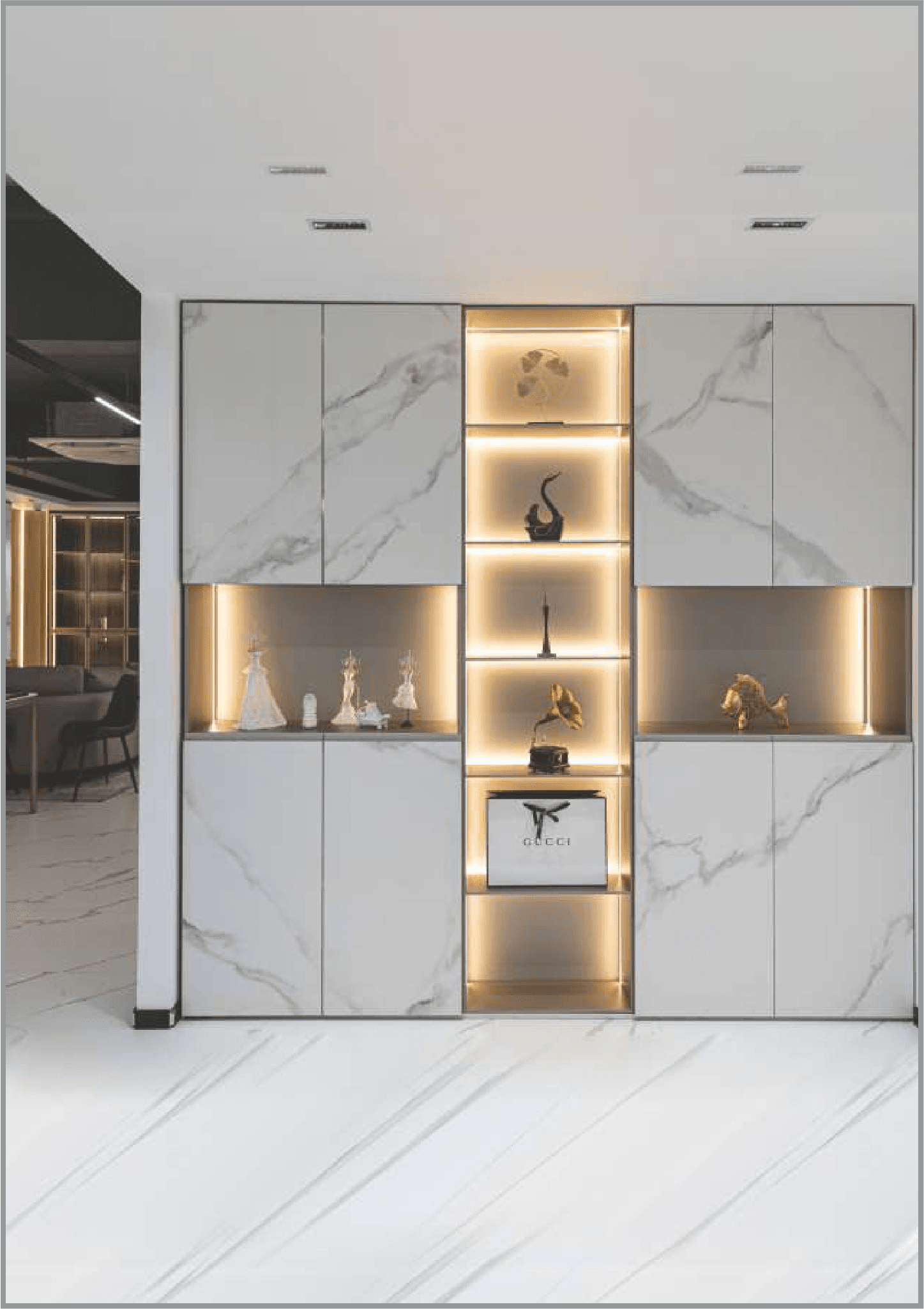
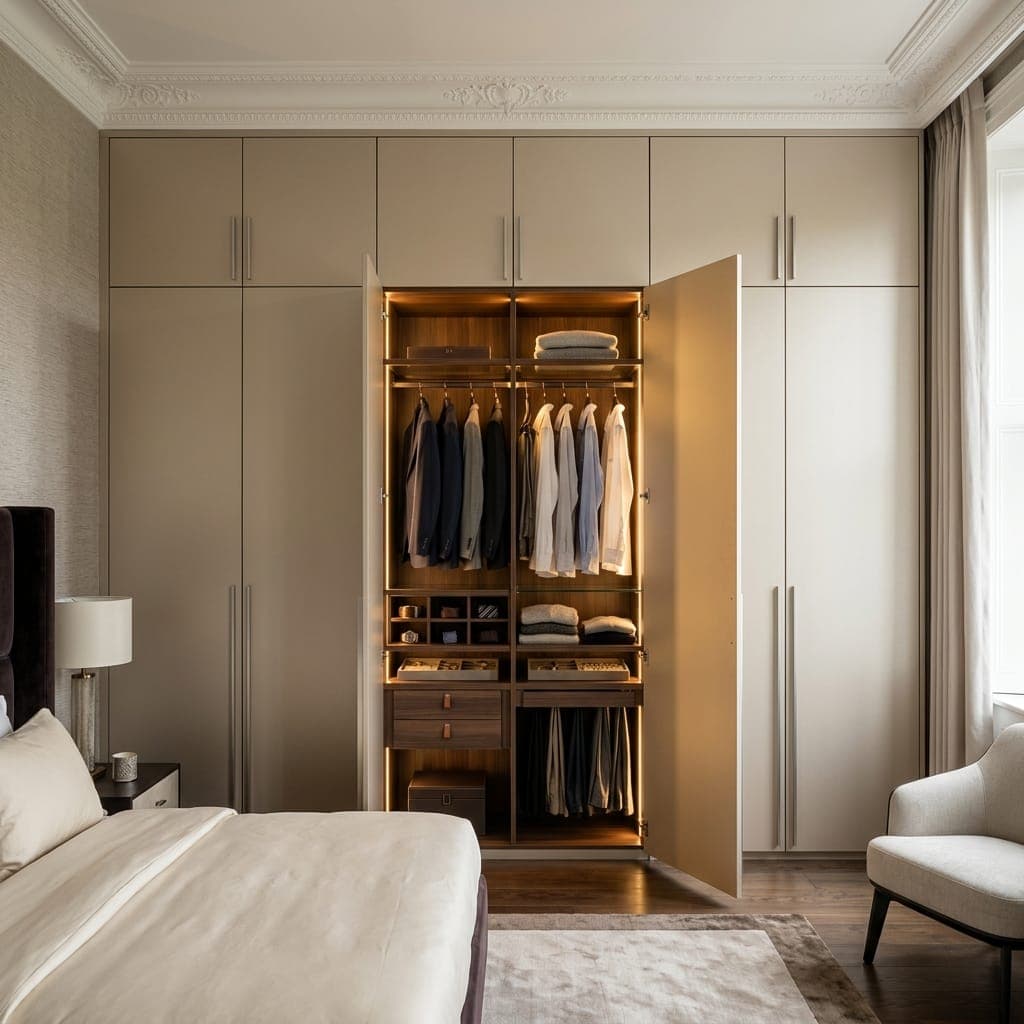
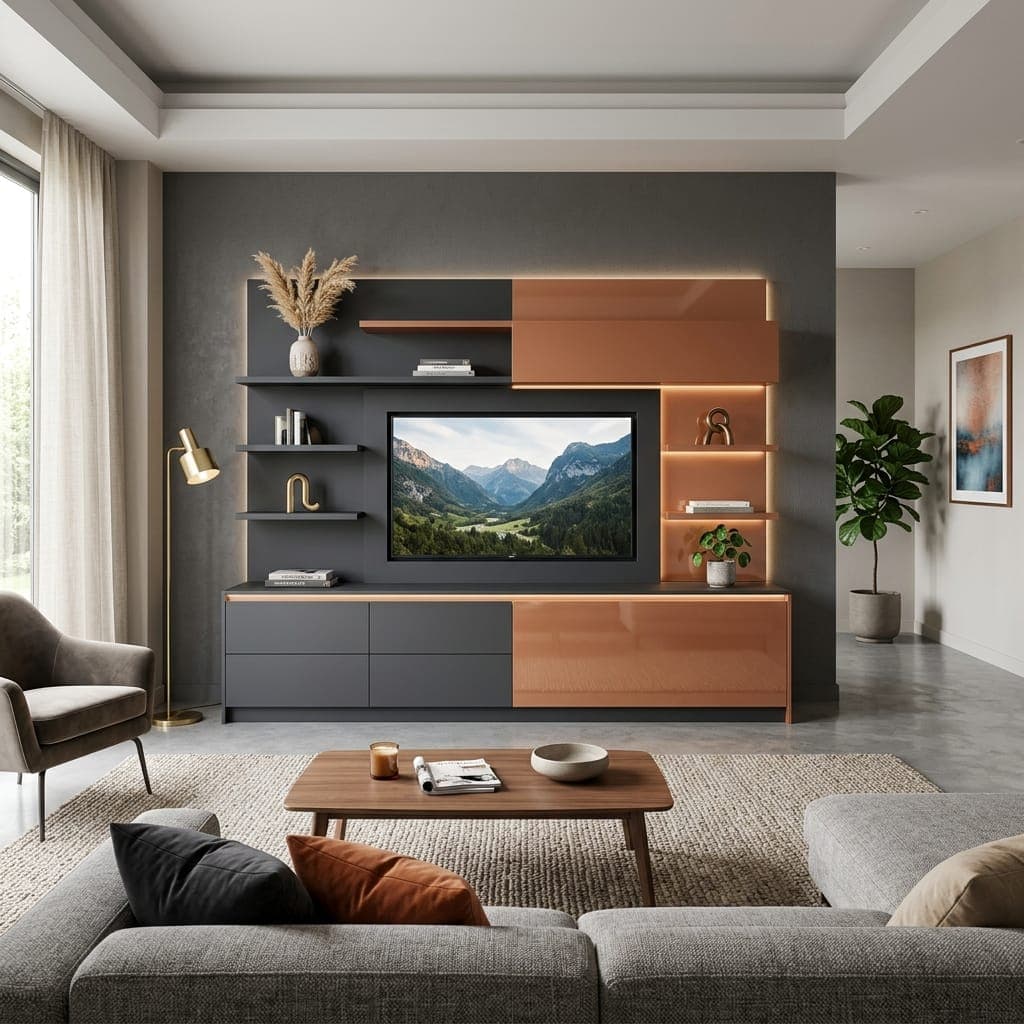
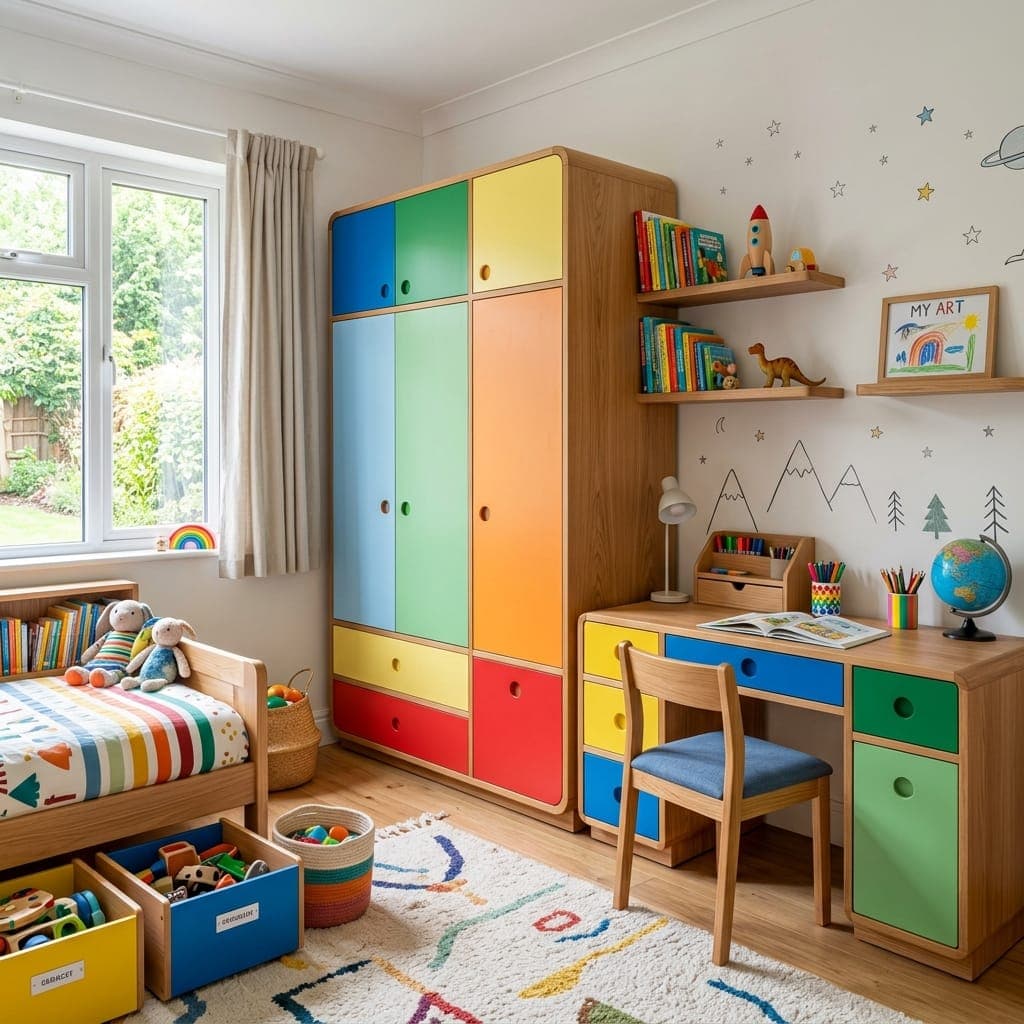
For bedroom wardrobes and sliding door shutters, large vertical panels require absolute flatness. SurajWood precision-calibrated balancer backing sheets ensure that doors remain 100% warp-free. Our **ACRYMATTE** and **ACRYSILK** collections feature **nano anti-fingerprint coatings** that keep handle-less cabinets smudge-free.
Surface Comparison: Acrylic vs. Sunmica vs. PU Paint
| Feature | SurajWood Acrylic | Sunmica / Laminate | PU Painted Finish |
|---|
| Scratch Resistance | 3H Hardness (Buffable) | 1H - 2H (Not repairable) | Low (Prone to chipping) |
| UV & Yellowing Stability | 10 Years Guarantee | Moderate (Fades) | Moderate (Dulls in sun) |
| Delamination Risk | Zero (German PUR Bonded) | High (Local carpenter glue) | None (Full coating) |
| Mirror Reflection | 95% High Optical Gloss | 50% - 65% Semi-Gloss | 85% High Gloss |